
Insurance plays a crucial role in safeguarding against the uncertainties and vulnerabilities posed by extreme weather events, especially in the context of food and water security. As climate change continues to escalate, the complexity of its impacts on agriculture and water resources becomes increasingly apparent. Insurers, equipped with sophisticated risk assessment models, analyse various factors contributing to weather-related risks, such as property damage and business interruptions. However, the evolving landscape of climate change presents multifaceted challenges, including rapid urbanisation, changing land use, and economic factors like inflation and supply chain disruptions.
Despite advancements in risk modelling, there remains a significant protection gap, leaving a substantial portion of global economic losses uninsured. To address this gap, innovative solutions like parametric insurance have gained traction, offering flexible coverage tailored to weather events of varying severity. These products, adaptable to businesses and governments, facilitate rapid cash disbursement to support recovery efforts post-disaster.
Initiatives like the Lloyd’s Disaster Risk Facility and partnerships with organizations like the International Federation of Red Cross and Red Crescent Societies underscore the industry’s commitment to providing swift and agile financial assistance to vulnerable communities. Moreover, collaborations with the United Nations Capital Development Fund aim to scale innovative insurance solutions, enhancing financial resilience in Small Island Developing States and Least Developed Countries.
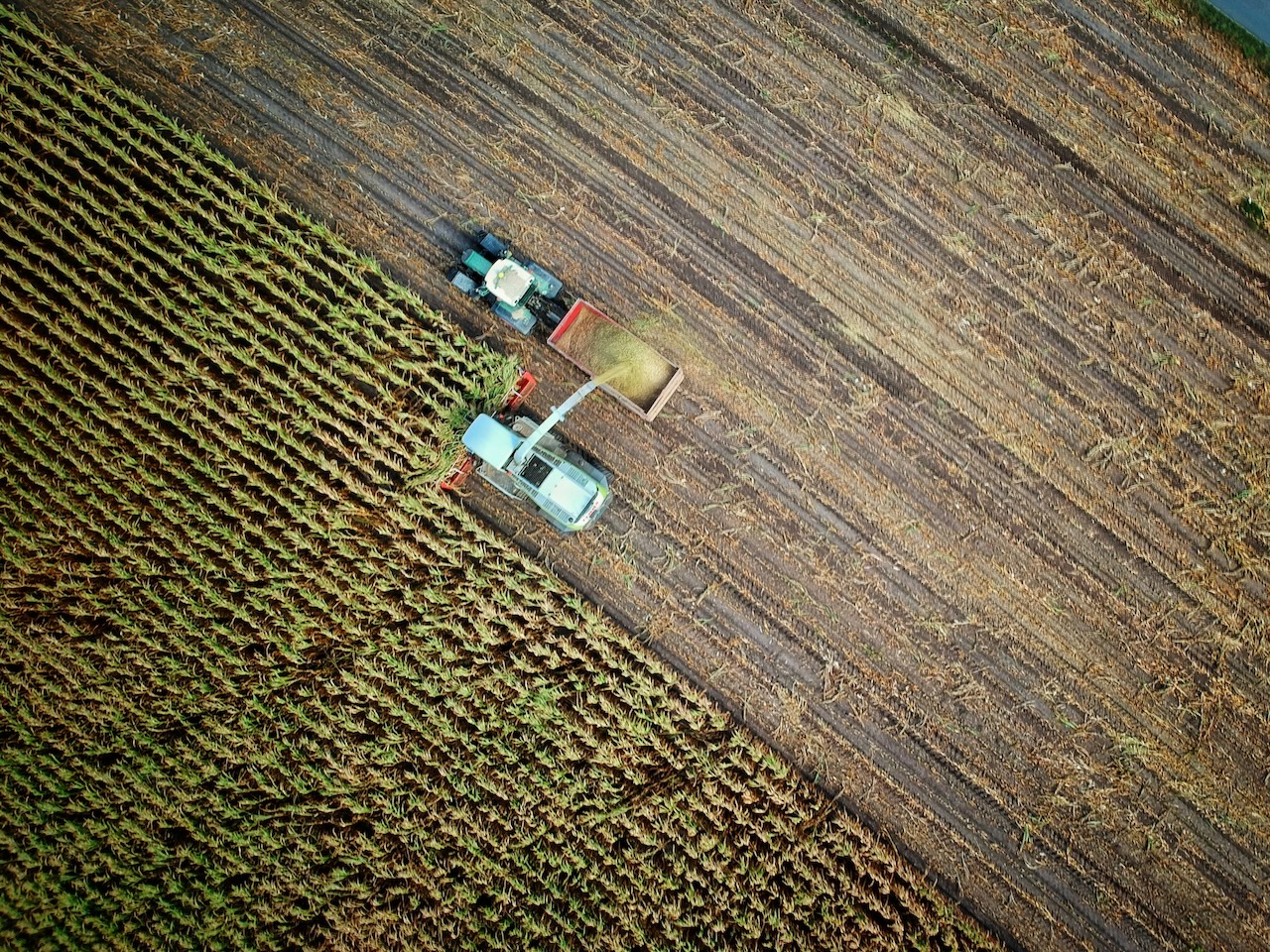
In the agricultural sector, insurance serves as a critical lifeline, particularly in emerging markets where crop insurance demand is on the rise. Government subsidies often support premiums, ensuring continuous protection for farmers facing weather-related risks. For instance, schemes like the US Federal Crop Insurance Program and the West Bengal Bangla Shasya Bima in India provide essential coverage to farmers, with reinsurers like Lloyd’s offering support to mitigate multi-peril crop risks.
Parametric insurance, increasingly adopted in developing countries, empowers policyholders to define customized parameters, accelerating relief efforts in the event of disasters like droughts. The African Risk Capacity drought insurance coverage and the World Bank-sponsored DRIVE scheme exemplify how parametric products provide rapid cash assistance to vulnerable communities affected by climate change.
Looking ahead, insurers must prioritise environmental innovation and data-driven solutions to address the growing risks to agriculture. However, it is crucial to design subsidy schemes thoughtfully to prevent unintended consequences like soil degradation or inflated insurance costs. Ultimately, insurance plays a pivotal role not only in mitigating financial losses but also in enhancing societal resilience to climate shocks, underscoring its indispensable value in building a sustainable future.